
As cryptocurrency mining evolves, miners constantly seek reliable tools to manage their earnings efficiently. The Binance Mining Pool Wallet has become a prominent choice, particularly for those already within the Binance ecosystem. But how does it truly perform in 2025? This article provides an in-depth look at the wallet's features, security protocols, and overall user experience, helping you decide if it aligns with your mining operations.
At its core, the Binance Mining Pool Wallet is not a separate, standalone app, but an integrated account structure within the main Binance platform. This integration is its primary strength. Once you configure your mining equipment to the Binance Pool, your mined rewards are automatically transferred to this dedicated wallet. This eliminates the need for manual withdrawal from the pool to an exchange, streamlining the payout process. For miners, this means less time managing transactions and more time focusing on hardware optimization and operational efficiency.
One of the most critical factors for any mining wallet is security. Binance employs a multi-layered security architecture that applies to its Mining Pool Wallet. This includes mandatory two-factor authentication (2FA), advanced risk management controls, and address whitelisting features. Furthermore, the platform maintains a Secure Asset Fund for Users (SAFU), which acts as an emergency insurance fund in the event of a security breach. While no centralized platform is completely immune to risks, Binance's track record and security investments provide a higher degree of confidence compared to anonymous or smaller pool wallets. The wallet also supports multiple cryptocurrencies, including Bitcoin (BTC), Litecoin (LTC), Ethereum (ETH), and various stablecoins, allowing miners to choose their preferred payout denomination.
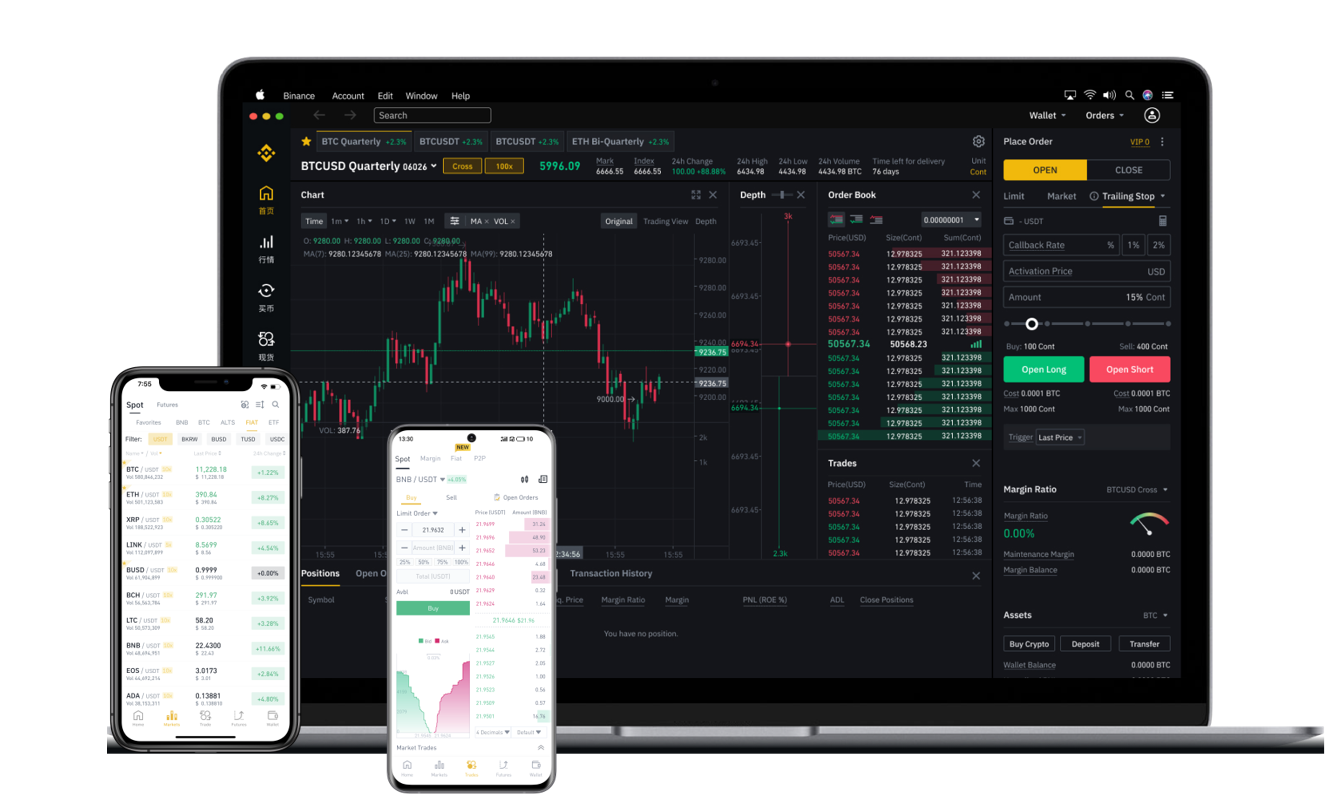
Performance and usability are also standout aspects. The wallet interface is directly accessible via the Binance app or website, providing real-time hash rate statistics, payout history, and detailed transaction logs. Miners can easily track daily earnings and monitor pool performance without logging into separate systems. Additionally, because the wallet sits within the exchange, users can instantly trade their mined coins for other assets without incurring external transfer fees. This seamless integration reduces network congestion costs and speeds up the conversion process. However, it’s wise to be aware of potential trade-offs. While the wallet is convenient for active miners, locking funds within a centralized exchange wallet means you are subject to the exchange's operational status and regulatory environment. If Binance faces server downtime in your region, accessing your funds could be temporarily restricted.
Comparing it to decentralized or hardware wallets, the Binance Mining Pool Wallet prioritizes liquidity and convenience over full self-custody. For miners who frequently sell their earnings to cover electricity costs or reinvest in hardware, this trade-off is often acceptable. For long-term holders, transferring a portion of the mined coins to a cold storage device remains a prudent strategy. In summary, the Binance Mining Pool Wallet is a robust, feature-rich solution designed for efficiency. It excels in payout speed, integration, and security for daily operations. While it may not replace a cold wallet for long-term storage, it remains one of the most practical tools for active miners looking to maximize their workflow in the current digital asset landscape.