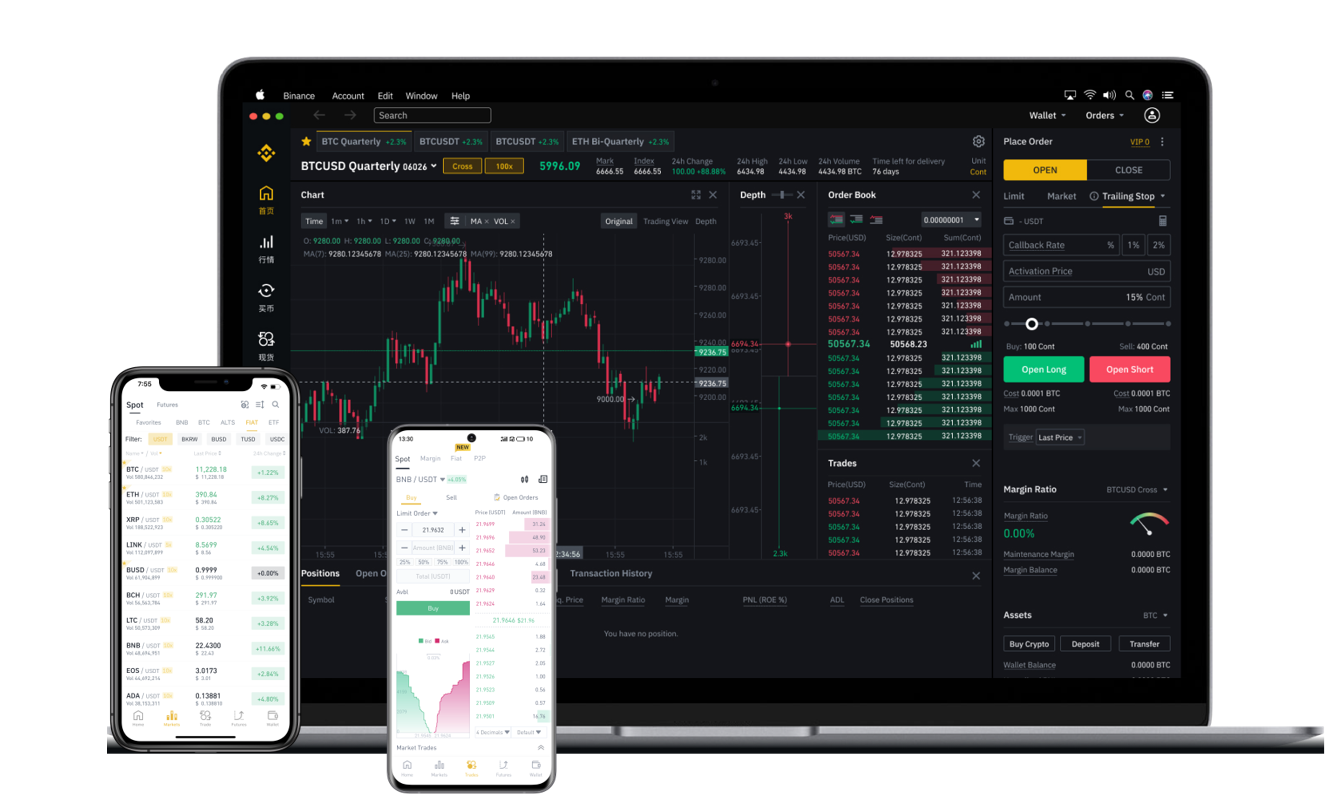
When managing cryptocurrency assets on Binance, security is a top priority. The term "冷钱包中币安怎么样" essentially asks: "How does a cold wallet work with Binance?" This question is crucial for both new and experienced investors who want to protect their funds from online threats. In this article, we will break down what cold wallets are, how they integrate with Binance, and why they offer a superior level of security compared to hot wallets.
A cold wallet, also known as a hardware wallet or offline wallet, stores your private keys in a device that is not connected to the internet. Unlike hot wallets, which are always online and connected to Binance's exchange platform, cold wallets eliminate the risk of remote hacking, phishing attacks, or malware. Popular cold wallet brands like Ledger, Trezor, and SafePal can be directly linked to Binance through its "Withdraw" or "Transfer" features. However, the cold wallet itself never exposes your private keys to the internet, making it one of the safest ways to store large amounts of cryptocurrency.
Using a cold wallet with Binance is straightforward. First, you purchase a hardware wallet and set it up on a secure, offline computer or mobile app. You then generate a receiving address from the cold wallet. On Binance, you go to the "Withdraw" section, select the cryptocurrency you want to move (e.g., Bitcoin, Ethereum, or USDT), and paste the cold wallet address. Binance will then send the funds to that offline address. The transaction is recorded on the blockchain, but your private keys remain offline. For added security, you can also use Binance's "Whitelist Address" feature, which only allows withdrawals to pre-approved cold wallet addresses.
One important aspect to understand is that a cold wallet is not a "Binance product." Binance is a centralized exchange, while cold wallets are third-party hardware devices. You do not "store" your coins on Binance when using a cold wallet; instead, you move them off the exchange entirely. This is a key advantage because even if Binance experiences a hack, outage, or regulatory issue, your coins stored in a cold wallet remain fully under your control. However, you will still need to use Binance for trading, staking, or converting coins. The common strategy is to keep only a small amount in your Binance hot wallet for active trading, while the majority of your assets sit safely in a cold wallet.
There are also hybrid solutions. For example, some advanced users use "watch-only" wallets on Binance that allow them to view cold wallet balances without exposing private keys. But the direct answer to "冷钱包中币安怎么样" is that cold wallets offer the highest security for assets you plan to hold long-term. The only trade-offs are convenience: you must physically connect the hardware wallet to a computer or use a mobile app to sign transactions when you want to move funds back to Binance for trading. For most investors, this small inconvenience is well worth the protection against theft, especially for high-value portfolios.
To optimize your security even further, always buy cold wallets directly from the manufacturer's official website, never from third-party resellers, to avoid tampered devices. Also, regularly update the firmware of your cold wallet. And remember: never share your recovery seed phrase with anyone — not even Binance support. In conclusion, for anyone asking "how does a cold wallet compare with Binance," the answer is clear: they complement each other. Binance serves as your exchange and trading hub, while a cold wallet acts as your personal, offline bank vault. Using both together creates a robust security setup that protects your digital assets against both online and physical threats.